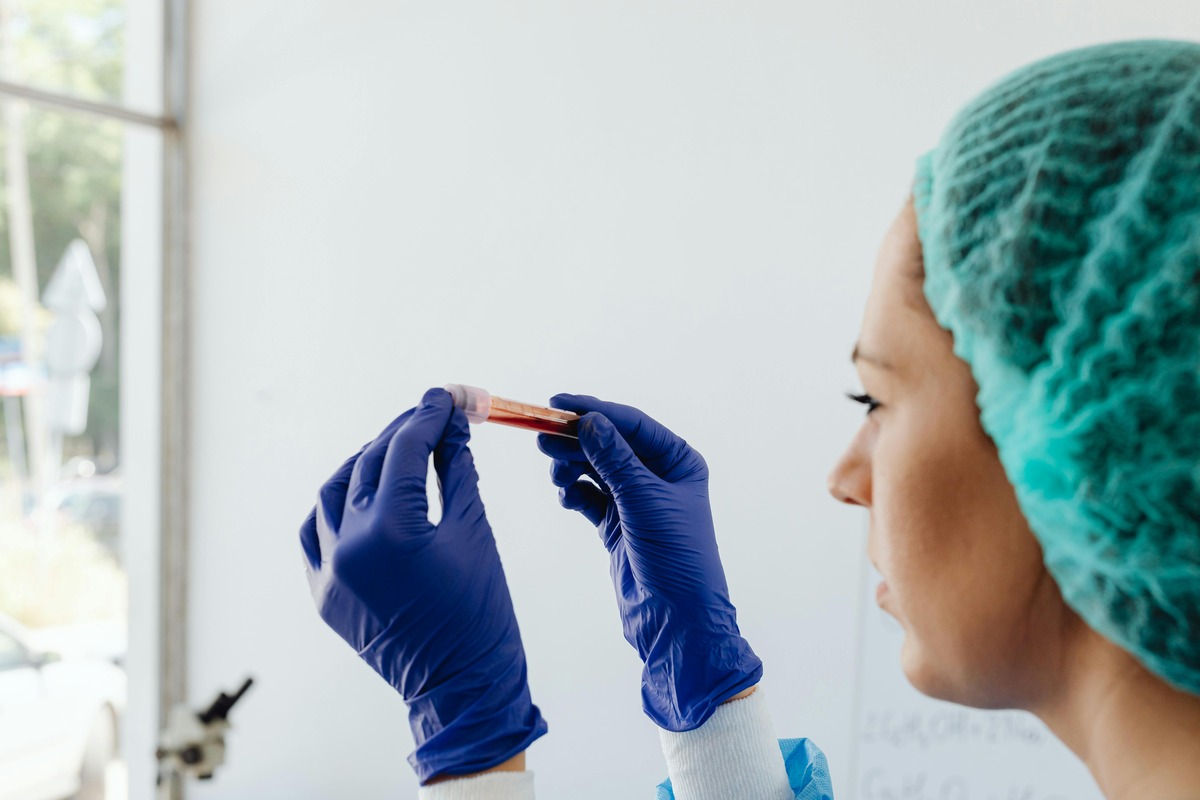
Scientists at Chalmers University of Technology in Sweden and Oslo University Hospital have discovered biological markers that could revolutionize Parkinson’s disease diagnosis by detecting the condition during a critical early window-possibly decades before tremors, rigidity, and other devastating motor symptoms emerge. Published in npj Parkinson’s Disease, the research identifies distinct patterns of DNA repair activity and cellular stress responses that appear in blood samples exclusively during the prodromal phase, when the brain remains largely undamaged and interventions could potentially alter the disease’s trajectory.
The Tragedy of Late Diagnosis
Parkinson’s disease affects more than 10 million people worldwide and represents the second most common neurodegenerative condition after Alzheimer’s. As global populations age, epidemiologists project that number will more than double by 2050, creating an escalating public health crisis. Yet despite affecting millions, Parkinson’s remains extraordinarily difficult to diagnose until substantial, often irreversible damage has occurred.
The fundamental challenge lies in timing. By the time classic motor symptoms manifest (the characteristic tremors, muscle rigidity, impaired balance, and slowed movements)between 50 and 80 percent of dopamine-producing neurons in a brain region called the substantia nigra have already died. These neurons are essential for coordinating smooth, controlled movements, and once lost, they cannot regenerate with current medical interventions.
Dr. Danish Anwer, a doctoral student at Chalmers’ Department of Life Sciences and the study’s first author, emphasized the urgency of earlier identification. The study represents an important step toward facilitating disease detection and counteracting progression before it reaches this catastrophic tipping point, he explained.
Current diagnostic methods rely entirely on clinical observation of motor symptoms during physical examinations. Neurologists assess gait, posture, facial expression, hand movements, and response to levodopa medication. While imaging techniques like DaT scans can visualize dopamine transporter levels in the brain, they’re expensive, limited to specialized centers, and still typically used only after symptoms have already appeared. No validated screening test exists for detecting Parkinson’s before clinical symptoms begin.
A Twenty-Year Window Hidden in Plain Sight
The disease develops with excruciating slowness. In many patients, the prodromal phase – the period between initial cellular changes and obvious motor symptoms – can extend up to 20 years. During this prolonged window, profound alterations occur inside cells that remain invisible to conventional diagnostic approaches.
Early non-motor symptoms do appear during this prodromal period, though they’re often dismissed or attributed to other causes. These include REM sleep behavior disorder, where people physically act out dreams with movements or vocalizations; reduced sense of smell (hyposmia); persistent constipation; depression; and anxiety. However, these symptoms are non-specific and common in the aging population, making them unreliable as standalone diagnostic indicators.
The Chalmers research team focused on two biological processes believed critical during early Parkinson’s development. The first involves DNA damage repair – the cellular machinery that detects and fixes genetic damage caused by oxidative stress, environmental toxins, and normal metabolic processes. The second involves the integrated stress response, a protective cellular reaction that helps cells survive dangerous conditions by shifting resources away from routine operations toward repair and defensive functions.
According to research published in Nature Aging, DNA damage accumulation represents a hallmark of aging and may contribute fundamentally to Parkinson’s pathophysiology. Previous studies had documented impaired DNA repair capacity in patients with established Parkinson’s, but the role these mechanisms play during the prodromal phase remained unclear until now.
Machine Learning Reveals a Unique Molecular Fingerprint
The research team analyzed longitudinal blood transcriptomic data from the Parkinson’s Progression Markers Initiative, one of the world’s most comprehensive studies tracking the disease’s evolution. Using advanced machine learning algorithms and sophisticated analytical methods, they identified a distinctive gene activity pattern related to DNA repair and cellular stress response.
This molecular signature appeared exclusively in individuals during the prodromal phase of Parkinson’s – people who would later develop motor symptoms but hadn’t yet. Critically, the pattern was absent in both healthy control participants and in patients who had already progressed to the motor symptom stage.
Dr. Annikka Polster, Assistant Professor at Chalmers’ Department of Life Sciences who led the study, explained the significance. They had discovered an important opportunity window when the disease can be detected before motor symptoms caused by nerve damage appear. Remarkably, these patterns only manifest during the early stage and become inactive as the disease progresses, making this window both precious and fleeting.
The researchers used logistic regression classifiers to assess how well different gene sets could distinguish between healthy individuals, prodromal Parkinson’s cases, and established disease patients. Classification accuracies above 70 percent indicate strong discriminatory power, while values exceeding 80 percent suggest high accuracy. The DNA repair and cellular stress gene sets showed limited ability to distinguish healthy individuals from established Parkinson’s patients – but performed substantially better when distinguishing prodromal cases from either healthy individuals or diagnosed patients.
Notably, classification accuracy increased over time in prodromal individuals, particularly for mitochondrial DNA repair and integrated stress response gene sets. This suggests molecular signatures become progressively more distinct as the disease approaches the threshold where motor symptoms emerge, potentially offering a gradually widening detection window as pathology advances through the prodromal phase.
Why Blood-Based Testing Represents a Game Changer
Scientists worldwide have pursued early Parkinson’s indicators using various approaches, including brain imaging studies that detect reduced dopamine transporter levels, and spinal fluid analysis measuring proteins like alpha-synuclein. While promising, none of these methods has achieved widespread clinical adoption for pre-symptomatic screening due to cost, accessibility, and invasiveness barriers.
Blood-based biomarkers offer transformative advantages. A simple blood draw performed during routine medical visits could screen large populations affordably. The test requires no specialized imaging equipment, no lumbar puncture, and minimal technical expertise beyond standard clinical laboratory capabilities. Most importantly, blood can be collected frequently to monitor disease progression or treatment responses over time.
Dr. Polster emphasized these practical considerations. The study highlighted biomarkers that likely reflect early disease biology and demonstrated they can be measured in blood samples, paving the way for broad screening through cost-effective, easily accessible methods.
According to the Centers for Disease Control and Prevention, Parkinson’s disease costs the United States an estimated $51.9 billion annually in direct and indirect expenses. Early detection enabling preventive interventions before extensive neuronal loss could dramatically reduce both human suffering and economic burdens associated with the disease.
From Discovery to Clinical Implementation
The research team estimates that within five years, blood tests designed to identify early-stage Parkinson’s could begin clinical validation in healthcare systems. This timeline accounts for several necessary steps: refining the biomarker panel to optimize sensitivity and specificity, developing standardized testing protocols suitable for routine clinical laboratories, conducting prospective validation studies across diverse populations, and obtaining regulatory approvals.
The immediate next phase focuses on understanding precisely how these early biological mechanisms function. Researchers need to determine whether the observed gene expression changes represent direct drivers of neurodegeneration or secondary responses to other pathological processes. This mechanistic understanding will prove crucial for developing targeted therapeutic interventions.
Dr. Polster described the potential therapeutic implications. Studying these mechanisms as they occur could provide critical insights into how they might be stopped and which drugs could prove effective. This may involve developing entirely new pharmaceuticals, but also drug repurposing – identifying existing medications developed for other conditions that target the same gene activities or cellular mechanisms active in early Parkinson’s.
Complementary Approaches Strengthen the Diagnostic Arsenal
The Chalmers discovery joins several other recent breakthroughs in Parkinson’s biomarker research. Duke University’s Laurie Sanders developed the Mito DNADX test, which detects mitochondrial DNA damage in blood cells using polymerase chain reaction technology. This test successfully identified higher mtDNA damage levels in Parkinson’s patients compared to healthy controls, working effectively regardless of whether patients carried genetic mutations like LRRK2 or took Parkinson’s medications.
Hebrew University’s Hermona Soreq pioneered an RNA-based approach measuring transfer RNA fragments (tRFs) in blood. This test achieved 86 percent diagnostic accuracy in detecting prodromal Parkinson’s by assessing the ratio between Parkinson’s-specific tRFs and mitochondrial tRFs. Interestingly, tRF levels responded to treatment, they declined in patients receiving deep brain stimulation – suggesting potential utility for monitoring therapeutic effectiveness.
According to research published in Science Translational Medicine, alpha-synuclein seed amplification assays can detect disease-associated protein aggregation in cerebrospinal fluid with high sensitivity and specificity. Researchers are working to validate similar tests using more accessible samples including blood, skin biopsies, and nasal swabs.
These complementary approaches likely detect different aspects of Parkinson’s pathophysiology. Combining multiple biomarker tests could provide comprehensive assessment capturing the disease’s heterogeneity – different patients may show different patterns of DNA damage, mitochondrial dysfunction, protein aggregation, and cellular stress responses. Multi-biomarker panels could improve diagnostic accuracy while also offering insights into disease subtypes that might respond differently to specific therapies.
The Race Against Time and Disease
The research team’s work has been funded by Chalmers Health Engineering Area of Advance, the Michael J. Fox Foundation for Parkinson’s Research, the Research Council of Norway, and the Swedish Research Council – reflecting the international commitment to solving Parkinson’s early detection challenges.
The study specifically noted the gene activity patterns appear transiently. As brain damage accumulates and patients transition from prodromal to symptomatic disease, these DNA repair and stress response signatures disappear or normalize. This finding carries both encouraging and sobering implications.
On one hand, it confirms the existence of a detectable prodromal window and validates the research approach. On the other, it emphasizes the urgency of implementing screening programs soon after biomarker tests become clinically available. Missing this window means losing the opportunity to intervene before extensive neuronal death occurs.
The disappearance of these signatures as disease progresses also offers mechanistic insights. It suggests early Parkinson’s may involve active cellular repair attempts that eventually fail or become overwhelmed, transitioning the disease from a potentially reversible state of cellular stress to irreversible neuronal loss. Understanding what triggers this transition could identify critical therapeutic targets.
As research accelerates toward clinical implementation of blood-based Parkinson’s screening, the convergence of multiple detection approaches brings hope that one of neurology’s most challenging diseases may finally yield to early diagnosis. Whether through DNA repair signatures, mitochondrial damage, protein aggregation, or RNA fragments, the message remains clear: the key to fighting Parkinson’s lies in catching it early, before the brain’s dopamine-producing cells reach the point of no return.
Primary Study Citation: Danish Anwer et al., “Longitudinal assessment of DNA repair signature trajectory in prodromal versus established Parkinson’s disease,” npj Parkinson’s Disease (2025). DOI: 10.1038/s41531-025-01194-7
