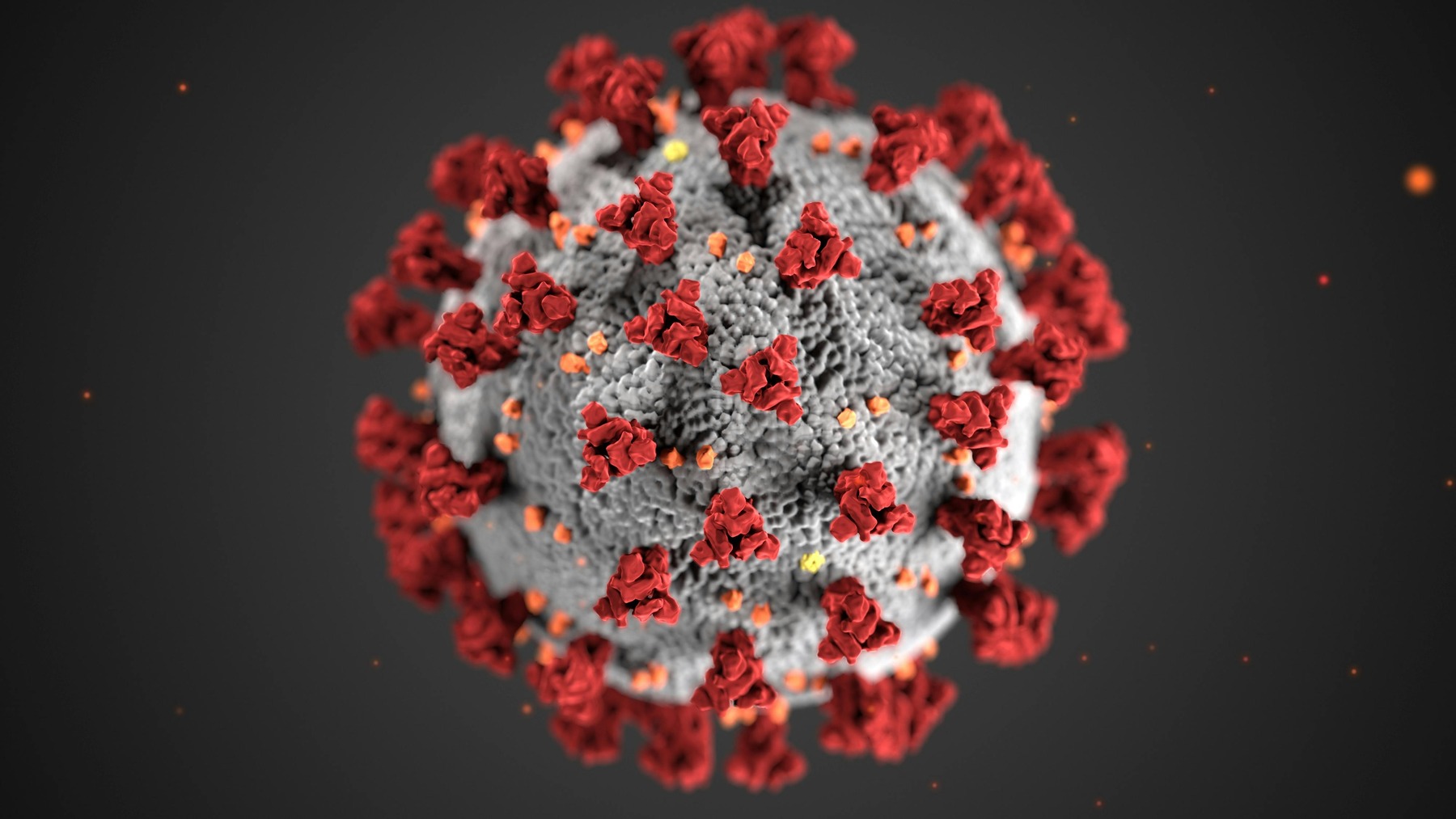
Airports across Southeast Asia have implemented COVID-style health screenings after Indian authorities confirmed five cases of Nipah virus in West Bengal – a rare but deadly infection with no approved vaccine or specific treatment. The outbreak, centered near Kolkata, India’s third-most populous city, has placed nearly 100 people under quarantine and prompted neighboring countries including Thailand, Nepal, and Hong Kong to activate emergency response protocols designed to prevent international spread of the brain-infecting disease.
Understanding Nipah: A Bat-Borne Threat
Nipah virus represents one of the World Health Organization’s highest-priority pathogens – classified alongside Ebola and Zika as an epidemic threat requiring urgent research and vaccine development. First identified during a 1999 outbreak among Malaysian pig farmers that resulted in over 100 deaths and the culling of one million pigs, Nipah has since caused nearly annual outbreaks in Bangladesh and sporadic clusters in India, particularly in Kerala state which has experienced recurring infections since 2018.
The virus belongs to the Henipavirus genus and maintains fruit bats of the Pteropus species (commonly called flying foxes) as its natural reservoir. These large bats, with wingspans reaching up to five feet, inhabit coastal regions and islands across the Indian Ocean, South and Southeast Asia, and Oceania. As deforestation fragments bat habitats, these animals increasingly venture into agricultural areas and human settlements seeking food, dramatically increasing spillover risk.
According to the World Health Organization, human infections typically occur through consuming fruits or fruit products contaminated with bat urine, saliva, or droppings. In Bangladesh, where Nipah outbreaks happen almost yearly since 2001, most cases trace to drinking raw date palm sap – a traditional beverage collected in clay pots hung on palm trees overnight, when fruit bats feed on the sap and contaminate it.
Direct animal contact also transmits infection. The original Malaysian outbreak involved pig farm workers exposed to respiratory secretions from infected swine. Pigs act as amplifying hosts, developing respiratory illness and excreting large quantities of virus that can infect humans. Other susceptible animals include dogs, cats, goats, horses, and sheep, though pigs remain the primary intermediate host.
Current Outbreak: Healthcare Workers at the Center
The West Bengal cluster emerged mid-January 2026 when two nurses at a private hospital in Barasat, near Kolkata, tested positive for Nipah virus. Both healthcare workers are currently hospitalized in intensive care, with one reportedly in critical condition. Three additional cases followed this week, bringing the confirmed total to five infections.
India’s National Center for Disease Control characterized the outbreak as “not major” and limited to specific districts. However, the involvement of healthcare workers signals nosocomial transmission (infection spread within medical facilities) a pattern previously observed in several Malaysian and Bangladeshi outbreaks. Healthcare workers caring for Nipah patients face substantial risk, particularly when patients develop respiratory symptoms that can spray viral particles through coughing.
Narayan Swaroop Nigam, principal secretary of West Bengal’s health and family welfare department, confirmed that 196 contacts of confirmed cases have been identified and tested, with approximately 100 individuals placed under quarantine. Authorities emphasized that all contacts currently remain asymptomatic and have tested negative, suggesting containment efforts may prevent wider community spread.
The state government has also initiated environmental surveillance, collecting samples from bats at Kolkata’s Alipore Zoo to assess potential reservoir involvement. Tripti Sah, the zoo’s director, confirmed that teams followed all biosafety protocols during sample collection, recognizing the serious risks posed by handling potentially infected animals.
Regional Response: COVID-Era Measures Return
The outbreak announcement triggered immediate regional responses reminiscent of early COVID-19 pandemic measures. Thailand’s Department of Disease Control began screening travelers at Suvarnabhumi and Don Mueang airports on January 25, focusing on passengers arriving from West Bengal. Director General Dr. Thongchai Keeratihattayakorn warned that Nipah “can cause neurological symptoms and has a relatively high death rate,” justifying the heightened vigilance.
Travelers must complete health declaration forms detailing travel history and potential exposure to sick animals or confirmed cases. Those presenting with fever, headache, muscle aches, sore throat, cough, breathing difficulties, drowsiness, confusion, or seizures undergo additional screening at international communicable disease checkpoints. Thailand’s Ministry of Public Health issued “Health Beware Cards” for travelers from risk areas, outlining symptoms and instructions for seeking medical care if illness develops.
Nepal’s Ministry of Health activated nationwide alertness following the outbreak in neighboring West Bengal. Spokesperson Prakash Budhathoki announced health screenings at Tribhuvan International Airport and major border crossings, with intensified surveillance in Koshi Province, which shares extensive borders with India. The government coordinated with provincial authorities to establish checkpoints at all entry points where travelers from India commonly cross.
Hong Kong’s Centre for Health Protection implemented precautionary measures despite no direct flights between Kolkata and Hong Kong. Port health officers conduct temperature screenings at relevant gates, perform medical assessments on symptomatic passengers, and refer suspected cases to hospitals. Controller Dr. Edwin Tsui emphasized that Hong Kong maintains robust surveillance systems capable of detecting unknown and emerging infectious diseases, but characterized importation risk as low given current outbreak parameters.
Symptoms, Severity, and the Race for Treatment
Nipah virus infection manifests across a spectrum from asymptomatic cases to rapidly fatal encephalitis. The incubation period typically spans 4 to 14 days, though onset can occur up to 45 days post-exposure, complicating contact tracing and quarantine decisions.
Early symptoms mimic influenza: fever, headache, muscle pain, vomiting, and sore throat. However, Nipah infections frequently progress to more severe manifestations. Patients may develop respiratory symptoms including cough and difficulty breathing. The most feared complication involves neurological deterioration – dizziness, drowsiness, altered consciousness, disorientation, seizures, and encephalitis (brain inflammation). Severe cases can progress to coma and death within 24 to 48 hours of neurological symptom onset.
According to the Centers for Disease Control and Prevention, case fatality rates vary between 40 and 75 percent depending on outbreak location, viral strain, and healthcare infrastructure quality. The 2023 Bangladesh outbreak documented a 73 percent fatality rate – eight deaths among eleven cases. Malaysia’s initial outbreak killed 105 of 265 infected individuals, representing a 40 percent mortality rate.
Survivors face potential long-term complications. Approximately 20 percent of patients who recover from acute encephalitis experience persistent neurological problems including seizure disorders, personality changes, and residual motor deficits. These sequelae can profoundly impact quality of life and functional independence.
Currently, no licensed vaccine or specific antiviral therapy exists for Nipah virus infection. Treatment remains limited to intensive supportive care – mechanical ventilation for respiratory failure, medications to control seizures, fluids to maintain blood pressure, and nursing care to prevent complications in comatose patients. Several experimental therapies are in development, including monoclonal antibodies targeting the viral glycoprotein, fusion inhibitors that block viral entry into cells, and novel antivirals, but none have completed clinical trials or received regulatory approval.
Prevention Strategies and the Path Forward
In the absence of pharmaceutical interventions, prevention relies on behavioral modifications and environmental management. India’s Ministry of Health has disseminated public guidance emphasizing practical precautions for individuals in affected areas. Key recommendations include washing all fruits thoroughly before consumption, avoiding fruits that appear partly eaten or fallen from trees, drinking only boiled or chlorinated water, and completely avoiding raw date palm juice in Bangladesh and parts of India where this beverage remains popular.
For those working with animals or visiting affected regions, protective measures become essential. Authorities recommend wearing gloves, masks, and protective clothing when handling livestock or cleaning animal shelters. People should avoid contact with sick or dead animals and immediately report unusual animal illnesses to veterinary authorities.
Healthcare workers require particular vigilance. According to UK Health Security Agency guidance, standard infection control precautions prove insufficient for Nipah patients, especially those with respiratory symptoms. Caregivers should use airborne precautions including N95 respirators, eye protection, gowns, and gloves. Strict adherence to contact and droplet precautions prevents nosocomial transmission that has characterized several outbreaks.
The UK designated Nipah as a high-priority pathogen in March 2025, joining international efforts to accelerate vaccine development. UKHSA and The Pirbright Institute are supporting henipavirus vaccine research, while several pharmaceutical companies have initiated early-stage clinical trials. However, even accelerated development timelines suggest vaccines remain years away from widespread availability.
Climate Change and Emerging Disease Risk
The recurring Nipah outbreaks underscore broader concerns about climate change’s role in emerging infectious diseases. Deforestation rates in Southeast Asia (driven by agricultural expansion, industrial development, and urbanization) continue accelerating, fragmenting bat habitats and forcing wildlife into closer proximity with human communities.
Climate scientists have linked extreme weather events including droughts, floods, and temperature fluctuations to increased spillover events. The original Malaysian outbreak followed El Niño-associated drought conditions that disrupted fruit availability, forcing bats to seek food in cultivated orchards near pig farms. Similar patterns preceded outbreaks in Bangladesh and India.
Population density exacerbates these risks. Bangladesh hosts the world’s most densely populated urban areas, while Kerala ranks among India’s most crowded states. High population density increases human-wildlife interactions and proximity to livestock, multiplying opportunities for zoonotic disease transmission. As climate pressures intensify and human populations continue growing in vulnerable regions, public health experts anticipate more frequent spillover events.
The WHO emphasizes that addressing Nipah requires integrated One Health approaches combining human medicine, veterinary science, and environmental management. Surveillance systems must monitor both human cases and wildlife populations. Educational programs (particularly in rural communities) can reduce risky behaviors like consuming raw date palm sap or handling sick animals without protection.
While the current outbreak remains limited, its occurrence near a major metropolitan area serves as a stark reminder that deadly zoonotic diseases can emerge anywhere conditions favor spillover. As regional authorities work to contain this cluster, the international community watches closely, aware that in our interconnected world, an outbreak anywhere poses potential risks everywhere.
Stay Informed: Health authorities recommend travelers to affected regions consult the WHO and CDC websites for current outbreak information and travel health advisories.
