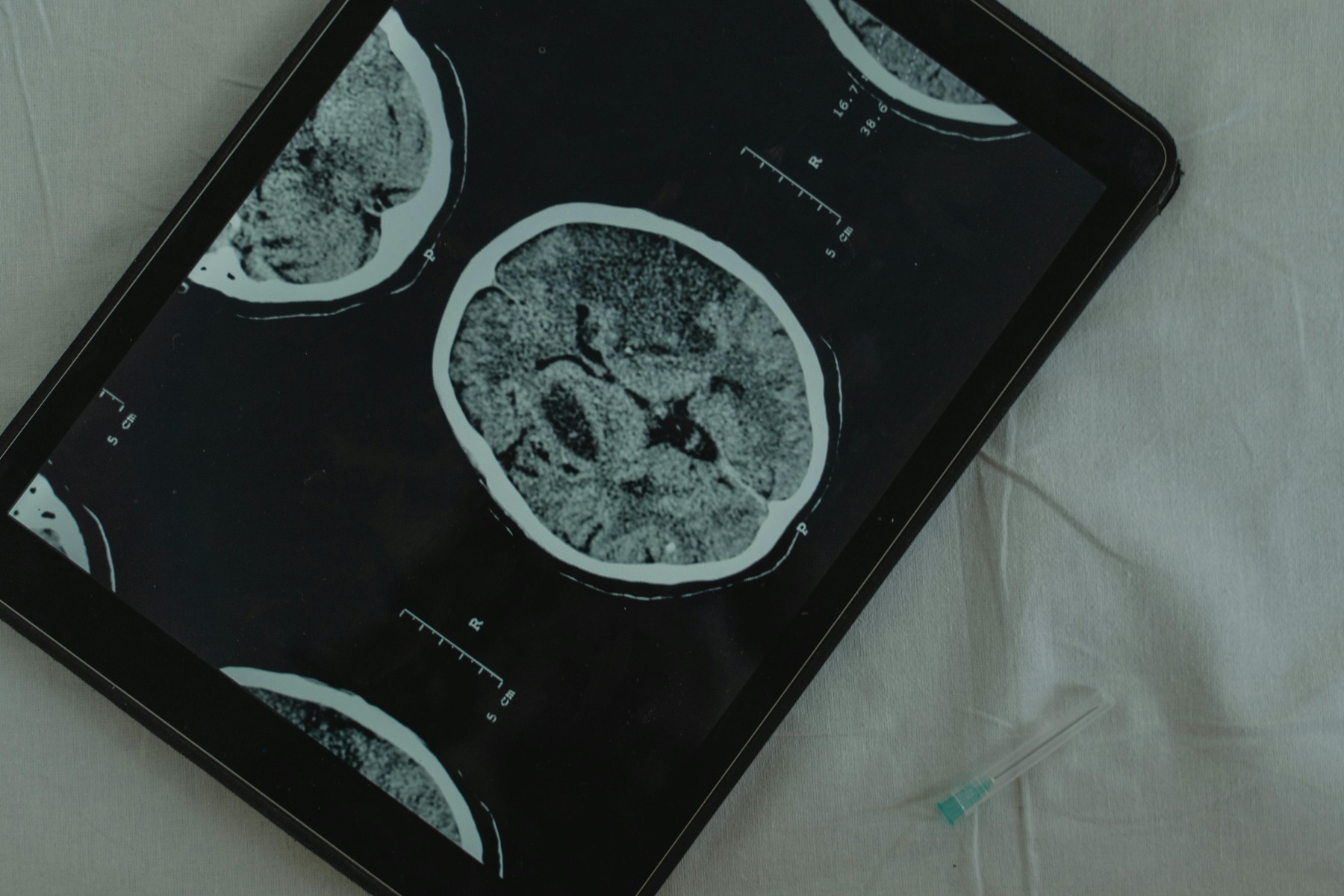
Scientists have developed an innovative peptide-based therapeutic that may significantly protect the brain following an ischemic stroke – the most common type caused by a blockage of blood flow to the brain. In a recent study, researchers administered a novel injectable nanomaterial called IKVAV-PA to mice shortly after blood flow was restored, and found it reduced tissue damage and inflammation compared with untreated animals.
How the Treatment Works and Why It Matters
The peptide therapy is based on supramolecular therapeutic peptides (STPs), sometimes referred to as “dancing molecules” due to their dynamic structure that adapts to target cells. These molecules can cross the blood-brain barrier, making them especially valuable for neurological applications – a key challenge in stroke therapies.
Traditional stroke treatments focus on dissolving clots and restoring blood flow (reperfusion). However, this process can itself cause secondary damage as harmful molecules are released from the blocked region into the bloodstream. The new peptide’s anti-inflammatory activity helps counteract that collateral damage while also supporting neural repair.
Preclinical Results Highlight Reduced Brain Injury
In the study, mice treated with IKVAV-PA after induced ischemic stroke showed fewer signs of brain tissue damage, less inflammation, and reduced harmful immune responses compared to control groups. Researchers noted the therapy’s ability to limit the cascade of secondary damage that typically follows blood flow restoration.
These early results are promising and align with a growing body of research showing peptides can be powerful neurologic agents. For example, other peptide treatments have reduced inflammation and promoted recovery in mouse models of traumatic brain injury by homing in on damaged brain tissue and improving functional outcomes.
Future Research and Clinical Potential
While the peptide treatment’s effects in mice are compelling, researchers emphasise that human studies are still needed. Continued testing is required to determine long-term safety, the optimal timing for administration, and whether similar benefits will occur in human stroke patients.
Advances in peptide design and blood-brain barrier penetration also raise possibilities for other neurological conditions. Small peptides are increasingly explored in neuroprotection and brain repair research, with studies showing potential in conditions ranging from traumatic injury to degenerative diseases.
Why Peptide-Based Therapies Are a Growing Focus
Peptides offer unique advantages in neurological treatments due to their small size, specificity, and ability to interact with biological targets that larger molecules cannot easily reach. As research expands, they are being investigated not only for stroke but also for traumatic brain injury, Alzheimer’s and other disorders where reducing inflammation and promoting repair are critical.
With stroke affecting millions of people globally each year and often leading to long-term disability, emerging peptide therapies like these represent an exciting frontier in neuroprotective medicine and stroke recovery research.
The research has been published in Neurotherapeutics.
