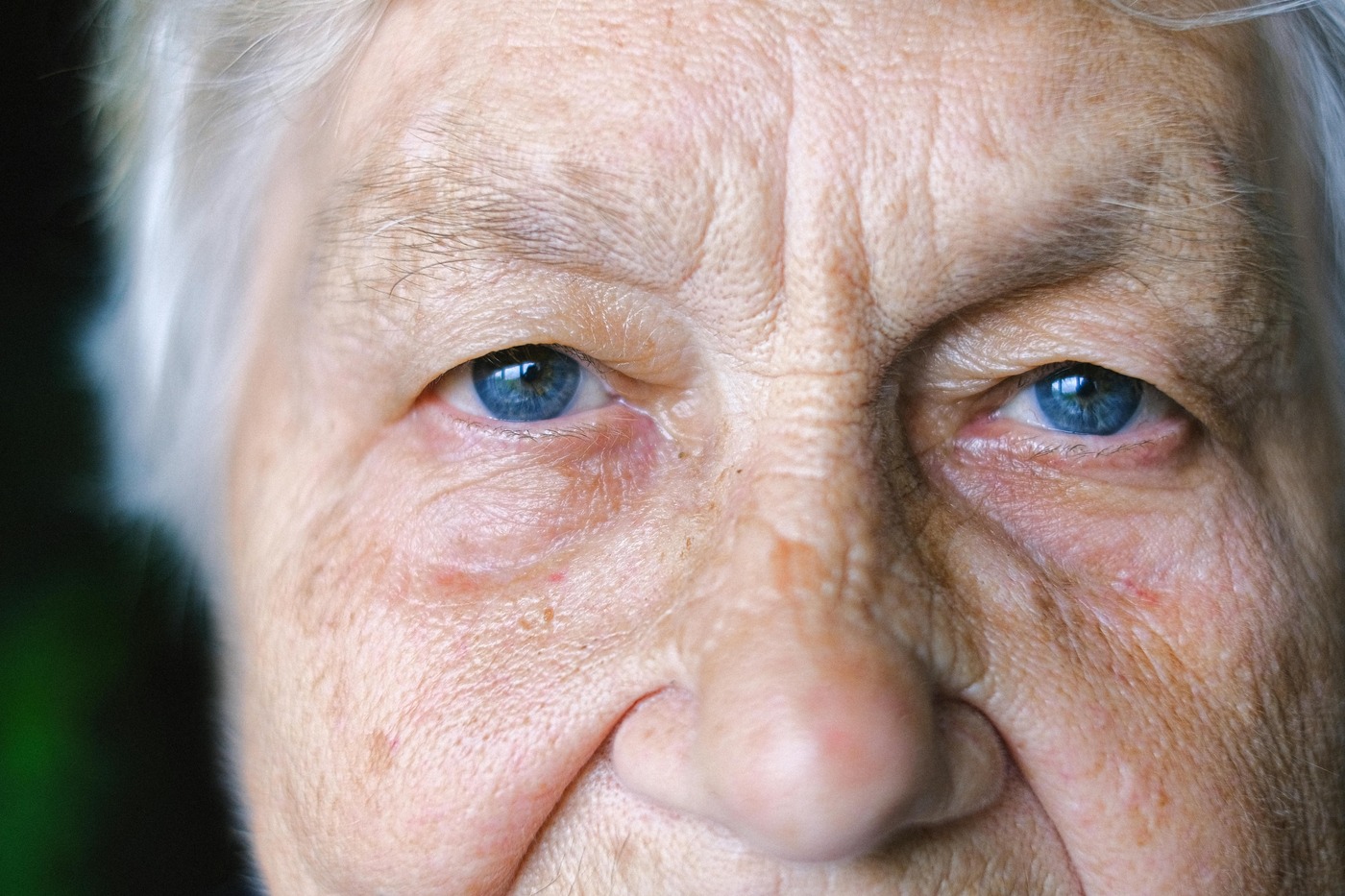
A groundbreaking study of more than 18,000 individuals has uncovered compelling evidence that “SuperAgers”—people over 80 who maintain exceptional memory and cognitive abilities—possess at least two critical genetic advantages that significantly reduce their risk of developing Alzheimer’s disease. These remarkable individuals not only carry fewer harmful genetic variants but also possess more protective ones, suggesting that exceptional cognitive aging is at least partially encoded in their DNA.
The research, conducted by an international team led by scientists at Vanderbilt University Medical Center and published in the journal Alzheimer’s & Dementia, represents the largest investigation to date examining the genetic foundations of exceptional cognitive aging. The findings provide crucial insights into why some octogenarians maintain memory abilities rivaling those of people 20 to 30 years younger while remaining resistant to dementia.
Defining the SuperAger Phenomenon
SuperAgers represent an extraordinary segment of the elderly population whose cognitive abilities defy typical aging patterns. These individuals, all aged 80 or older, demonstrate memory performance that exceeds the average scores of cognitively normal participants aged 50 to 64—a remarkable feat considering the natural cognitive decline most people experience with advanced age.
The study, which analyzed data from eight major aging research cohorts across the United States, included 1,623 SuperAgers, 8,829 people diagnosed with Alzheimer’s disease, and 7,628 cognitively normal controls. Participants underwent comprehensive cognitive testing across multiple domains including memory, executive function, language, and visuospatial abilities, alongside detailed genetic analysis.
According to neuropsychologist Leslie Gaynor of Vanderbilt University Medical Center, who led the study, the findings were striking. Although all adults who reach age 80 without a dementia diagnosis exhibit exceptional aging, the SuperAger phenotype identifies a particularly exceptional group with measurably reduced genetic risk for Alzheimer’s disease.
The Genetic Shield: APOE Variants and Alzheimer’s Risk
The research focused on variants of the Apolipoprotein E (APOE) gene, which plays a crucial role in cholesterol metabolism and brain health. Scientists have long recognized that different versions of this gene dramatically influence Alzheimer’s risk, but the new study reveals just how significantly these genetic variants shape the SuperAger profile.
The APOE-ε4 variant stands as the strongest known genetic risk factor for late-onset Alzheimer’s disease. Individuals carrying this variant, particularly those of European descent with two copies, face dramatically elevated risk—up to 60 percent chance of developing the disease by age 85. The study revealed that among non-Hispanic White participants, SuperAgers were 68 percent less likely to carry APOE-ε4 compared to people with Alzheimer’s disease in the same age group.
Most importantly, SuperAgers were 19 percent less likely to harbor the APOE-ε4 variant compared to age-matched cognitively normal controls. This finding demonstrates that SuperAgers aren’t just avoiding Alzheimer’s by chance—they’re genetically different even from other people who age well, with their genomes tilting the odds against cognitive decline in their favor.
The Protective Advantage of APOE-ε2
Beyond carrying fewer harmful variants, the study made a groundbreaking discovery regarding protective genetics. For the first time, researchers documented that SuperAgers show significantly higher frequencies of APOE-ε2, a gene variant associated with substantially lower Alzheimer’s risk and enhanced cognitive function in later life.
Non-Hispanic White SuperAgers proved 103 percent more likely to carry the protective APOE-ε2 allele compared to participants with Alzheimer’s disease, and 28 percent more likely than cognitively normal age-matched controls. This double advantage—fewer risk genes and more protective genes—suggests that exceptional cognitive aging involves both resistance to harmful factors and enhancement by beneficial ones.
Statistical genetic analyst Alaina Durant of Vanderbilt University Medical Center, who served as co-lead author, emphasized the significance of identifying this APOE-ε2 relationship. The study marks the first to establish a clear connection between APOE-ε2 allele frequency and SuperAger status, opening new avenues for understanding how genetic variants influence both clinical dementia development and exceptional cognitive resilience.
Brain Structure and Resilience Mechanisms
Previous imaging studies have documented remarkable differences in SuperAger brain structure. Research from Northwestern University’s SuperAging Program has shown that these individuals possess larger entorhinal neurons—cells crucial for memory formation—and demonstrate greater resistance to amyloid plaques and tau tangles, the hallmark pathological features of Alzheimer’s disease.
Some SuperAger brains show remarkably low densities of tau tangles, while others develop moderate tangles yet maintain exceptional cognitive function. This suggests at least two distinct pathways to cognitive resilience: either avoiding pathological changes altogether, or developing them but possessing the neurological reserve to withstand their typical cognitive impacts.
The outermost layers of SuperAger brains also show significantly less thinning with age, and these individuals maintain slower rates of brain atrophy overall compared to their peers. Combined with their favorable genetic profiles, these structural advantages create a powerful defense against age-related cognitive decline.
Implications for Alzheimer’s Prevention and Treatment
While the study primarily included non-Hispanic White participants, researchers observed similar patterns in the smaller sample of non-Hispanic Black individuals, though they acknowledge the need for larger, more diverse studies to determine whether resilience factors vary across populations. Understanding these potential differences could prove crucial for developing equitable prevention strategies.
The findings hold profound implications for Alzheimer’s research and prevention. If scientists can identify the specific mechanisms by which APOE-ε2 and other protective variants confer their benefits, they may develop pharmaceutical interventions that mimic these effects in individuals lacking the protective genes.
Professor Gaynor expressed confidence that these findings will stimulate continued investigation into how APOE variants influence clinical dementia development and the SuperAger phenotype more broadly. The research team expects their work to accelerate the search for mechanisms conferring resilience to Alzheimer’s disease, potentially leading to new therapeutic targets.
Beyond Genetics: The Complete Picture
While genetics clearly play an important role, researchers emphasize that genes aren’t destiny. According to the National Institute on Aging, numerous environmental and lifestyle factors—including physical activity, social engagement, cognitive stimulation, cardiovascular health management, and quality sleep—significantly influence cognitive aging and dementia risk.
Recent research has identified additional genetic factors beyond APOE that may contribute to exceptional cognitive aging. Variants in genes like KLOTHO, which promotes longevity, have been associated with enhanced cognition even in individuals carrying APOE-ε4. Other genes involved in immune system function and cellular stress response may also play protective roles.
The SuperAger phenomenon likely results from complex interactions between favorable genetics, lifestyle factors, environmental influences, and possibly other biological mechanisms not yet fully understood. Each new study brings scientists closer to unraveling this complexity and developing interventions that could help more people achieve exceptional cognitive health in their later years.
Looking Toward the Future
As the global population ages, understanding and potentially replicating the factors that enable SuperAging becomes increasingly critical. With millions of new dementia cases diagnosed annually worldwide, identifying and targeting the mechanisms behind cognitive resilience could transform how we approach brain health and aging.
The Vanderbilt team’s research provides a crucial foundation for future investigations. Continued long-term monitoring of SuperAgers, combined with advancing genetic analysis techniques and brain imaging technologies, will help clarify the relative contributions of various genetic variants and their interactions with lifestyle factors.
For individuals concerned about cognitive health, this research offers both hope and motivation. While we cannot change our inherited genes, understanding how protective variants work may lead to interventions that provide similar benefits. Meanwhile, adopting brain-healthy lifestyles—maintaining physical activity, engaging socially and intellectually, managing cardiovascular risk factors, and prioritizing sleep—remains within everyone’s control and offers proven benefits for long-term cognitive health.
As research continues to illuminate the secrets of exceptional cognitive aging, the promise of extending healthspan—not just lifespan—grows increasingly tangible. The SuperAgers among us offer living proof that severe cognitive decline need not be an inevitable consequence of growing old.
Study Citation: Durant A, et al., “Evaluating the association of APOE genotype and cognitive resilience in SuperAgers,” Alzheimer’s & Dementia (2026). DOI: 10.1002/alz.71024
