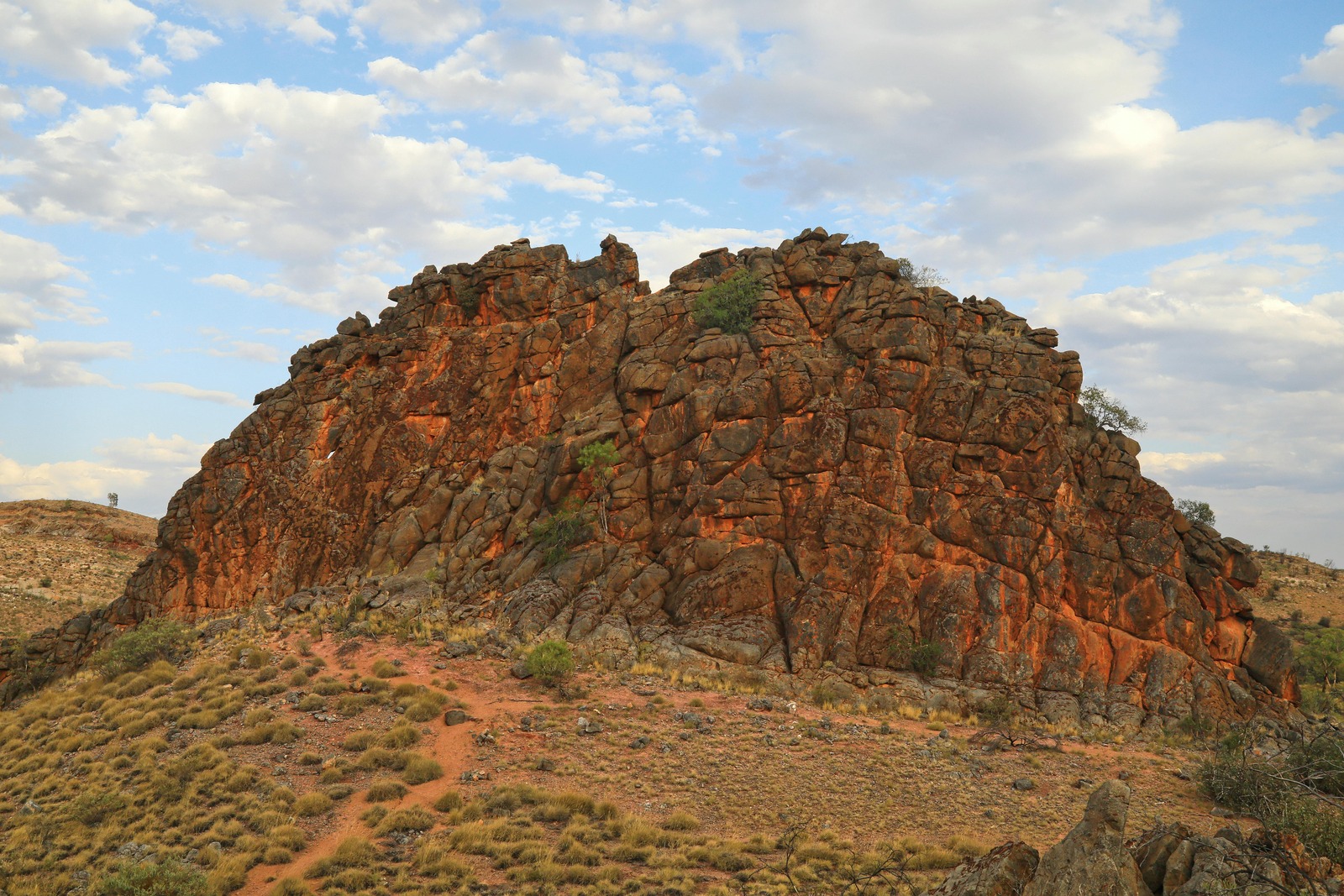
Rare rocks buried deep beneath central Australia are offering new clues about how one of the world’s most important industrial metals – niobium – was formed and concentrated. According to new research led by Curtin University, these rocks date back more than 800 million years and were created during a dramatic episode in Earth’s geological past, when an ancient supercontinent began to break apart.
Niobium is considered a critical metal because of its role in strengthening steel and enabling modern technologies such as electric vehicles, energy infrastructure, and advanced batteries. Understanding how niobium-rich deposits form could help guide future mineral exploration efforts worldwide.
Continental Breakup Created Pathways for Metal-Rich Magma
The study links the formation of the Australian niobium deposit to the early breakup of Rodinia, a supercontinent that existed more than a billion years ago. As Rodinia began to stretch and fracture, deep rift zones opened in the Earth’s crust, allowing magma from the mantle to rise toward the surface.
This magma was unusually rich in niobium and solidified into rare igneous rocks known as carbonatites. Carbonatites are globally uncommon but are known to host many of the world’s largest niobium and rare earth element deposits.
Carbonatites: Rare Rocks with Strategic Importance
The newly identified carbonatites in central Australia are unlike any previously documented in the region. They contain significant concentrations of niobium, a metal used to produce lighter and stronger steel for aircraft, pipelines, and electric vehicles, as well as components for next-generation batteries and superconducting technologies.
Carbonatite-hosted niobium deposits are strategically important, as global supply is limited and demand is rising. According to the U.S. Geological Survey, niobium is classified as a critical mineral due to its economic importance and supply risks.
Dating an 800-Million-Year-Old Geological Event
By analyzing drill core samples from deep underground, researchers applied multiple isotope dating techniques to determine when the rocks formed. The results show that the carbonatites were emplaced between 830 and 820 million years ago, during an early phase of continental rifting that preceded Rodinia’s complete breakup.
This tectonic environment kept long-lived fault systems open for hundreds of millions of years, creating conduits that allowed metal-rich magma to travel from deep within the mantle into the crust – a rare geological combination that helped concentrate niobium in one location.
Reconstructing Hundreds of Millions of Years of Earth History
Carbonatites often experience complex geological overprints, making it difficult to identify when they originally formed. Using advanced isotope geochemistry and high-resolution imaging, the research team was able to separate the original magmatic events from later geological alterations.
This approach allowed scientists to reconstruct more than 500 million years of geological history recorded within the rocks. Similar techniques are increasingly used to study ancient tectonic processes and mineral systems, helping researchers better understand how critical resources form over deep time, as highlighted in studies of supercontinent cycles by institutions such as Nature.
The findings were published in Geological Magazine and provide valuable insight into how rare, metal-rich magmas reach the surface – knowledge that could play a key role in securing future supplies of critical minerals.
