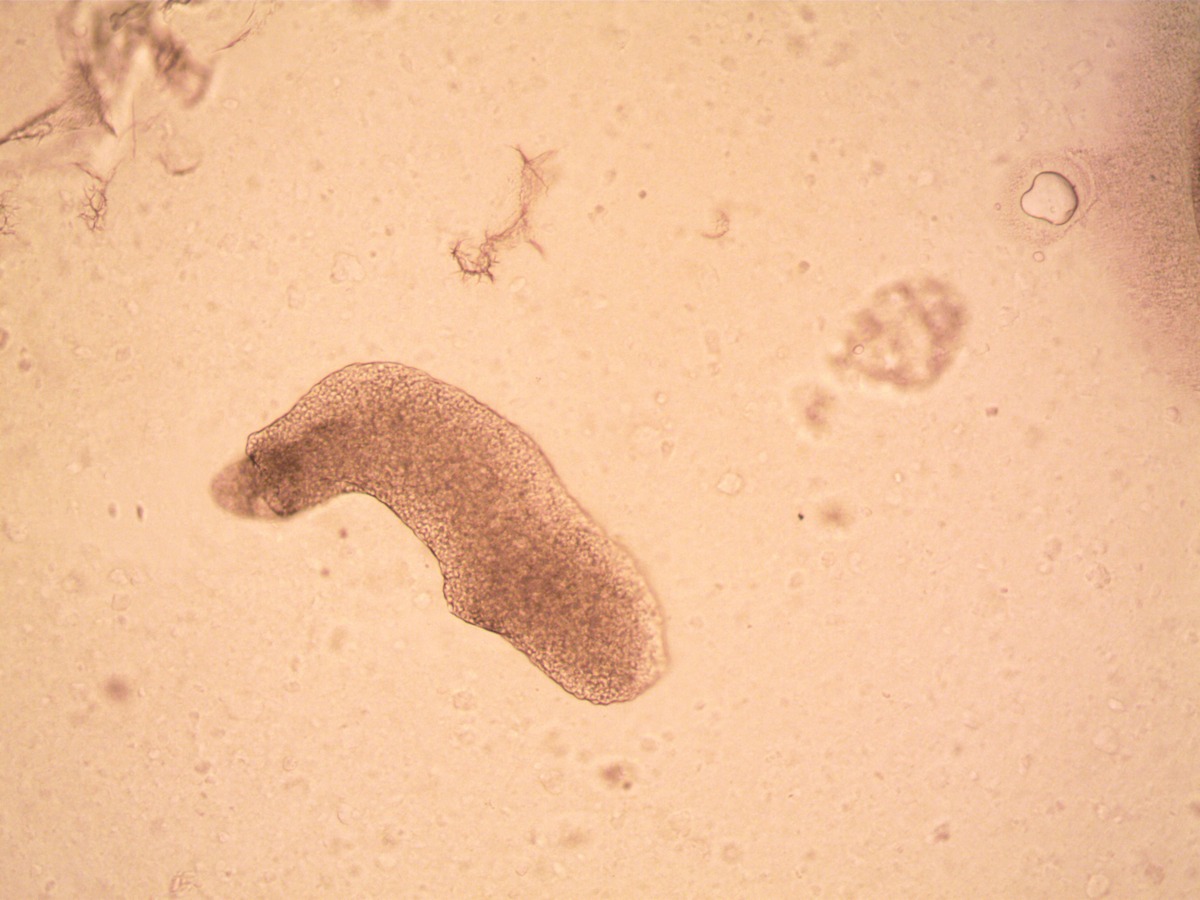
Scientists are urging global action as certain free-living amoebae (microscopic single-celled organisms found in soil and water) expand their range and pose increasing threats to public health. While most amoebae are harmless, a few species can survive extreme environmental conditions and cause serious, sometimes fatal diseases. The so-called “brain-eating amoeba” Naegleria fowleri is a notorious example, capable of causing deadly brain infections when contaminated water enters the nose. These findings highlight how environmental change and inadequate water monitoring can enable dangerous microbes to persist and spread.
Amoebae Are Hard to Eliminate
Free-living amoebae are uniquely resilient. Some species can tolerate high temperatures, strong disinfectants such as chlorine, and even thrive within modern water distribution systems assumed to be safe. Their ability to withstand harsh conditions that kill many other microbes makes them particularly difficult to control.
This resilience also helps them act as Trojan horses for other pathogens: dangerous bacteria and viruses can hide inside amoebae, escaping disinfection processes and later spreading through drinking water. This “protective host” effect may contribute to rising antibiotic resistance and difficulty in eliminating disease-causing microbes from water systems.
Climate Change and Global Spread
Rising global temperatures are expected to accelerate the spread of heat-loving amoebae into regions where they were once rare. Scientists have already noted outbreaks linked to recreational water exposure in multiple countries. This trend is concerning because it suggests that climate change could expand the geographic range of deadly pathogens.
Amoebae’s hardiness in adverse environments resembles other findings in microbial research. For example, microbes exposed to microgravity aboard the International Space Station (ISS) demonstrated altered evolutionary paths, with certain bacteriophages developing mutations that enhanced effectiveness against resistant bacteria back on Earth, a surprising indication of how microbes evolve under extreme stress.
Because harmful amoebae can persist inside water distribution systems and resist usual disinfection strategies, researchers emphasize the need for improved surveillance and prevention. These organisms not only pose direct infection risks but also can shelter other pathogens, creating complex challenges for water treatment and public health.
Public health experts advocate for a “One Health” approach (integrating human, environmental, and water management strategies) to monitor and mitigate amoeba spread. Enhanced diagnostic tools, better water filtration and treatment technologies, and coordinated response systems are seen as essential for protecting communities from these emerging microbial threats. (Source: ScienceDaily)
