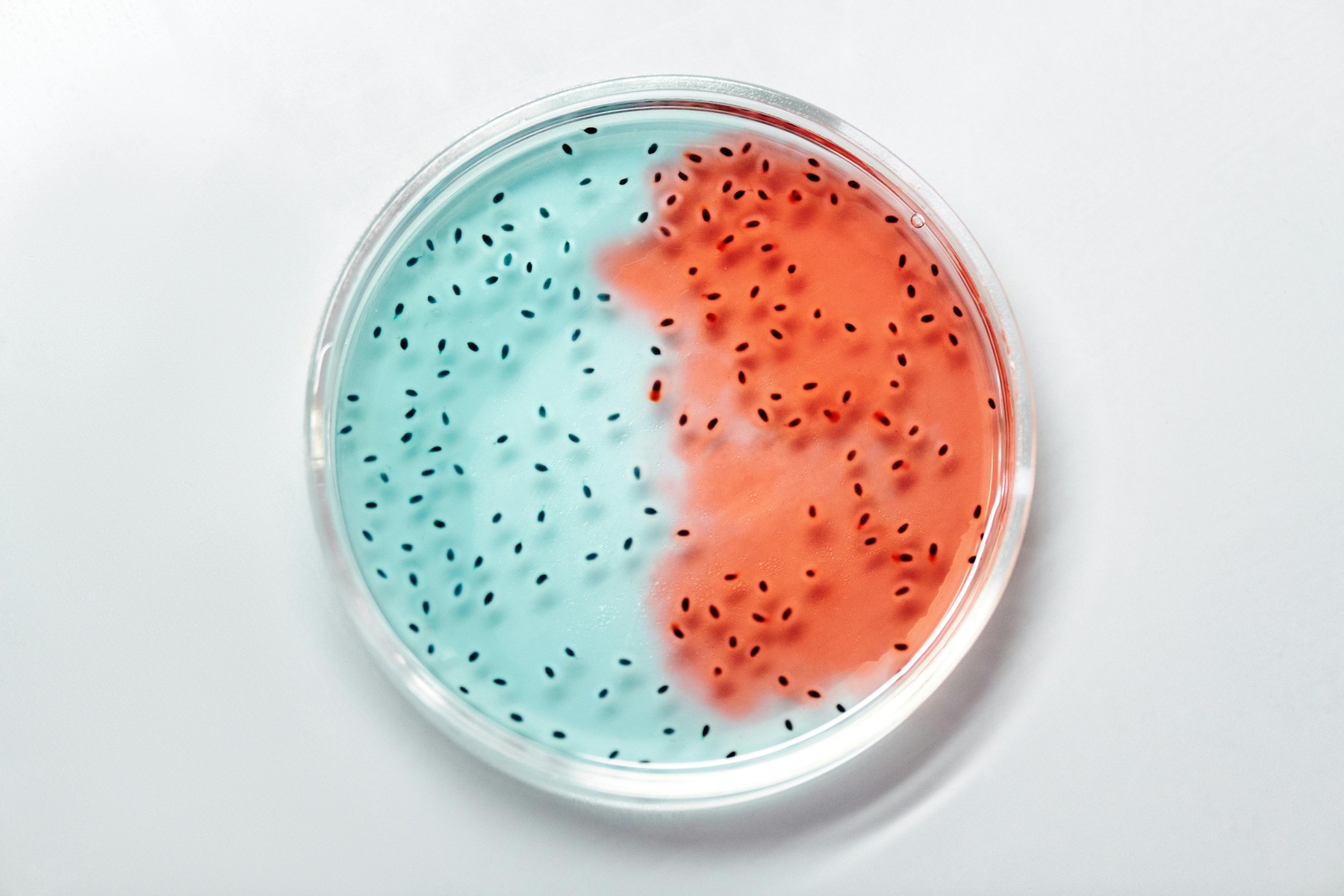
Microbes – including bacteria and viruses – are incredibly adaptable organisms, and research shows that the extreme environment of space can push them in surprising evolutionary directions. Recent work involving samples returned from the International Space Station (ISS) reveals that when microbes live in microgravity and radiation outside Earth’s atmosphere, they develop unique mutations that could have implications for both space travel and Earth-based medicine.
Microgravity Alters Microbe Evolution
Researchers from the University of Wisconsin-Madison and biotechnology firm Rhodium Scientific Inc. conducted experiments aboard the ISS using Escherichia coli bacteria and their viral predators, the T7 bacteriophages. In the near-weightless environment of space, interactions between bacteria and viruses changed substantially compared to identical experiments on Earth. Both organisms evolved along different genetic trajectories due to altered stress responses and nutrient dynamics in microgravity.
For example, E. coli developed mutations affecting how it manages stress and nutrient scarcity, while the phages underwent mutations that improved their ability to bind to and infect these Earth-bound bacteria. Some of these space-driven phage mutations were particularly effective at killing antibiotic-resistant bacteria that cause common infections such as urinary tract infections.
Microgravity and Mutations: A New Frontier for Phage Therapy
Because some of the mutations seen in space-exposed phages made them more capable of attacking resistant bacterial strains, scientists believe these insights could inform development of new therapeutic phages on Earth. Unlike traditional antibiotics, phage therapy uses viruses that specifically infect and destroy harmful bacteria, offering a promising alternative in the fight against drug-resistant infections.
Studying microbes in space isn’t just about discovering strange mutations – it could reveal mechanisms of adaptation that might otherwise remain hidden under Earth’s gravity and atmospheric conditions. Microgravity appears to slow infection dynamics, reshape microbial interactions, and push evolution in directions that would not occur in terrestrial laboratory settings.
How Space Environments Shape Microbial Traits
Microgravity itself doesn’t directly stress microbes like cosmic radiation does, but it alters how cells experience their physical environment. On Earth, gravity drives fluid mixing and helps distribute nutrients; in space, reduced gravity changes convection and the fluid microenvironments that microbes rely on for communication and resource exchange. These shifts can indirectly encourage novel mutations and adaptations.
Additionally, space radiation can damage DNA, forcing microbes to activate or evolve enhanced repair mechanisms, which can contribute to genetic changes over time. Studies of microbes isolated from space station surfaces and cleanrooms have shown that even under stringent sterilization, some species develop genetic resilience that enables them to persist and even thrive in harsh environments.
Why Microbial Space Research Matters for Earth and Beyond
Understanding how microbes adapt in space has practical and scientific importance. For long-duration missions to the Moon, Mars, and beyond, knowing how microbial populations might change – potentially becoming more resistant or altering pathogenic potential – is crucial for astronaut health. NASA’s Microbial Tracking-2 program continues to monitor how bacteria and fungi evolve aboard the ISS, including potential increases in biochemical activity and antibiotic resistance.
Beyond human health, microbes could play active roles in future space exploration. Some studies suggest that engineered or naturally adaptive microbes might help support life in space by producing nutrients or processing waste, and even extracting useful materials from extraterrestrial soils. Research also explores how soil microbial communities behave in space – knowledge that could inform strategies for growing food on long missions.
Extreme Adaptations Beyond the ISS
Space station research is not the only evidence that microbes can adapt to extraterrestrial stressors. Novel strains discovered on China’s Tiangong Space Station exhibited mutations enabling them to survive under harsh conditions, including improved stress responses and biofilm formation – traits that help microbes endure nutrient scarcity and radiation exposure above Earth’s atmosphere.
Investigations of microbes from other extreme environments such as NASA cleanrooms – which are engineered to be nearly sterile – have also shown that organisms can evolve traits like spore formation and DNA repair to resist rigorous cleaning and radiation exposure. These findings highlight how persistent and adaptable microbial life can be, even under conditions designed to eliminate it.
Future Directions in Space Microbiology
Ongoing research aims to expand our understanding of how spaceflight affects microbial evolution and function. NASA’s advanced monitoring and gene sequencing projects will continue to trace genetic changes over time, helping scientists identify microbes that might pose threats or offer benefits during extended missions.
At the same time, scientific efforts are exploring how microbes might be used intentionally for example, to help build sustainable ecosystems on spacecraft or extraterrestrial colonies, provide bioproduction of nutrients, or support plant growth in lunar or Martian soils. These investigations, although still in early stages, point to a future where microbial research in space influences both exploration and life back on Earth.
